
Vital Wings

An airborne lifeline: antivenom delivered within the golden 3 hours

VitalWing is a fixed-wing tailsitter VTOL drone designed for emergency antivenom delivery to remote mountainous clinics. It targets a ~60 km service radius in about one hour while maintaining a 2–8°C cold chain for 80+ minutes, with a single-trip operating cost below ¥50.

What we built

VitalWing combines runway-free VTOL with efficient fixed-wing cruise. It uses an optimized PP-board insulated payload bay to keep antivenom between 2–8°C, and a dual-parameter transition controller (airspeed + pitch-angle feedback via PID) to achieve reliable VTOL ↔ cruise transitions in turbulent terrain.
VTOL + fixed-wing cruise 2–8°C for 80+ min >95% transition success ≤ ¥50 per trip
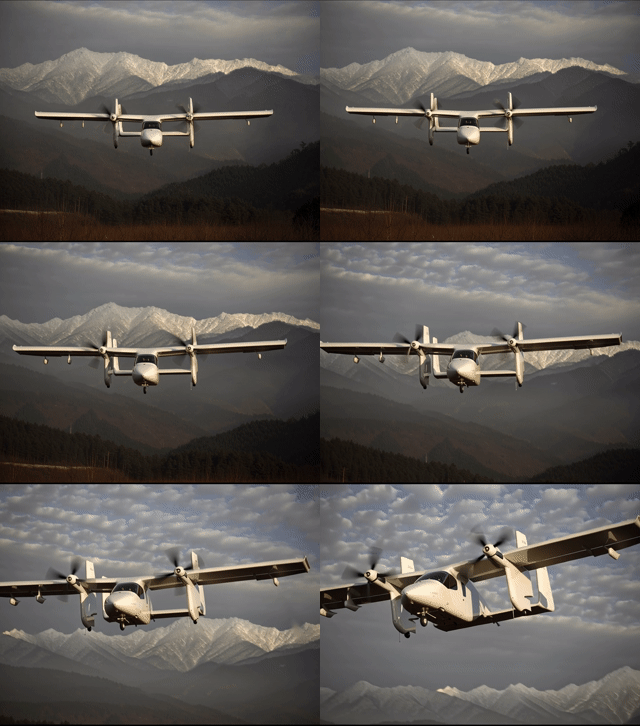
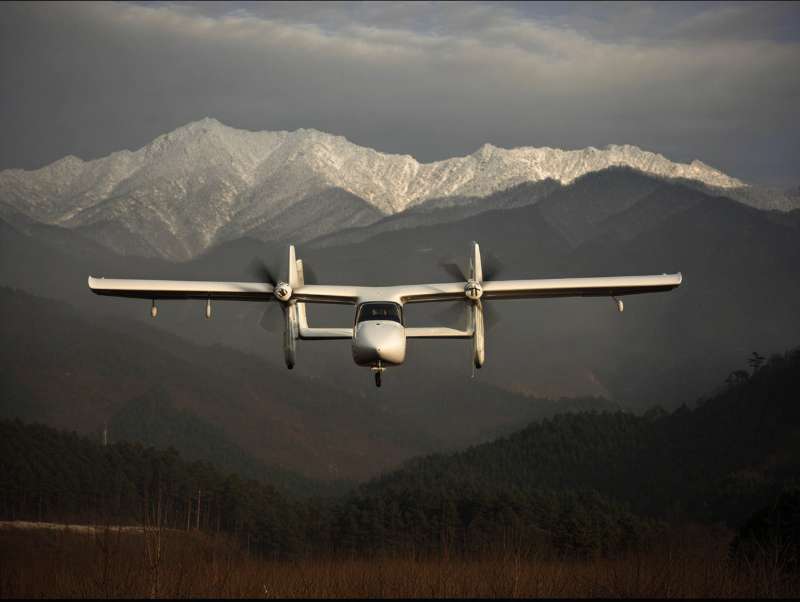
VitalWing VTOL drone photo
VitalWing VTOL prototype photo.

Quick facts

~60 km service radius
~1 hour typical delivery time
70 km/h cruise efficiency
2–8°C cold-chain stability
9 m/s hover wind tolerance
>95% transition success

Use the ↑ and ↓ keys (or PgUp/PgDn) to switch pages, or use the top navigation.

The Problem

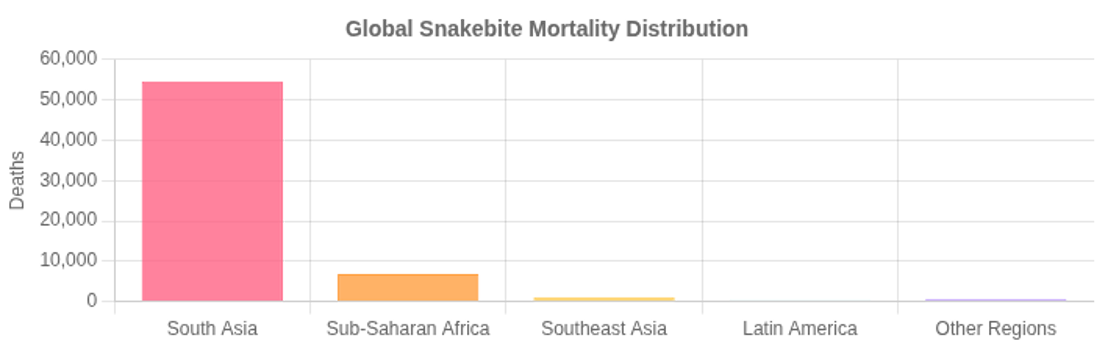
Snakebite envenoming is a time-critical emergency. Globally, there are ~5.4 million snakebites each year, causing 63,400+ deaths and around 400,000 permanent disabilities. In remote regions, victims often cannot access antivenom within the “golden 3-hour” window due to poor infrastructure, complex terrain, and long travel times.

5.4M snakebites per year (global)
63,400+ deaths per year
400,000 disabilities per year
Global Snakebite Mortality Distribution chart
Global Snakebite Mortality Distribution (illustrative summary by region).

Why the urgency is rising

  • Rural population aging: more vulnerable patients in rural areas
  • Climate change: snake habitats expanding into previously lower-risk zones
  • Healthcare workforce shortages: reduced emergency response capacity in remote settings

Target context: remote communities where road speed can be extremely low and time-to-treatment is unpredictable.

Our Solution

VitalWing is a fixed-wing tailsitter VTOL drone built for emergency antivenom delivery. It takes off and lands vertically in confined areas, then transitions into efficient fixed-wing cruise for long-range, high-speed flight — while maintaining cold-chain requirements (2–8°C) using passive insulation.
Vertical Takeoff Transition to Cruise Waypoint Navigation Transition to Hover Vertical Landing

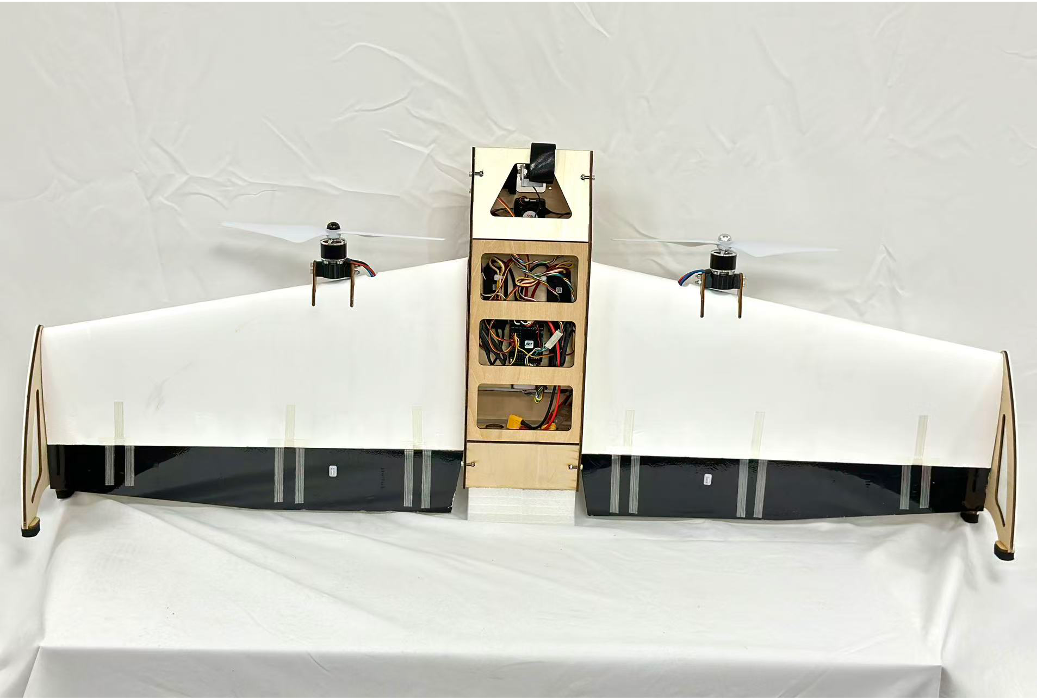
VTOL tailsitter drone prototype/model
VTOL tailsitter configuration (prototype/model image).

Key Design Characteristics

  • Fast response: reaches a ~60 km radius in about one hour for remote missions
  • Long-range efficiency: fixed-wing lift supports ~70 km/h cruise and extended range
  • Runway-free: VTOL operations for clinics and confined landing zones
  • Cold-chain: PP-board insulation keeps 2–8°C stable for 80+ minutes
  • Cost: single-trip operating cost below ¥50 (target/validated)

Innovation

What’s new (and proprietary)

VitalWing’s key innovation is its high-reliability transition control. Instead of relying mainly on accelerometer signals, we integrate real-time airspeed sensing with pitch-angle feedback through a custom-tuned PID controller. This dual-parameter approach improves transition robustness in turbulent mountain winds and helps achieve >95% transition success.


Cold-chain without heavy refrigeration

An optimized PP-board insulation payload bay maintains 2–8°C temperature stability for 80+ minutes, reducing weight and power draw, and making emergency delivery more dependable in the field.


Why it matters

  • Transition stability: reliable VTOL ↔ cruise switching under wind and vibration constraints
  • Cold-chain integrity: protects antivenom effectiveness during time-critical transport
  • Emergency readiness: faster delivery can reduce treatment delay by over 50% vs. traditional transport

Sustainable Advantage

  • Patent applied: PID-based VTOL transition logic and cruise control
  • Testing data from lab + field trials across two prototype iterations
  • Operational playbook for emergency workflows and deployment

Advantage compounds through flight logs, thermal tests, and deployment feedback.

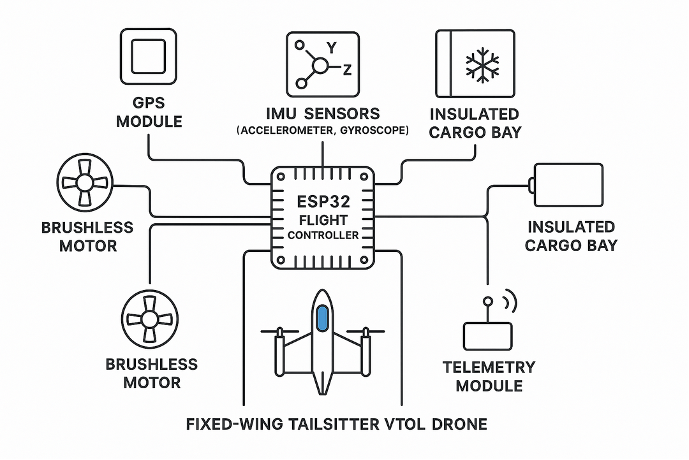
Validation & Transition Control Logic

We validate performance with mission-level metrics tied to emergency delivery: delivery time, temperature stability, autonomous transition success, navigation accuracy, and real-world reliability in wind.
9 m/s hover wind tolerance
> 95% transition success
70 km/h cruise efficiency
80+ min 2–8°C stability
98 / 100 simulated missions reached target
VTOL transition control logic diagram
Transition Control Logic (hover → transition → forward flight), including key parameters and triggers.

Progress signals

  • Lab testing: validated aerodynamic stability and transition logic in controlled settings
  • Field testing: two prototype iterations achieved >95% transition success and ~70 km/h cruise
  • Authorization: obtained flight authorization from the civil aviation board
  • Stakeholders: engagement with Guangxi Medical University and Anning Municipal Hospital

Validation focuses on stability (wind & transition), cold-chain integrity, and repeatable autonomous operations.

Drone Specifications

The system is designed around a compact, manufacturable airframe with scalable performance and field-maintainable construction.
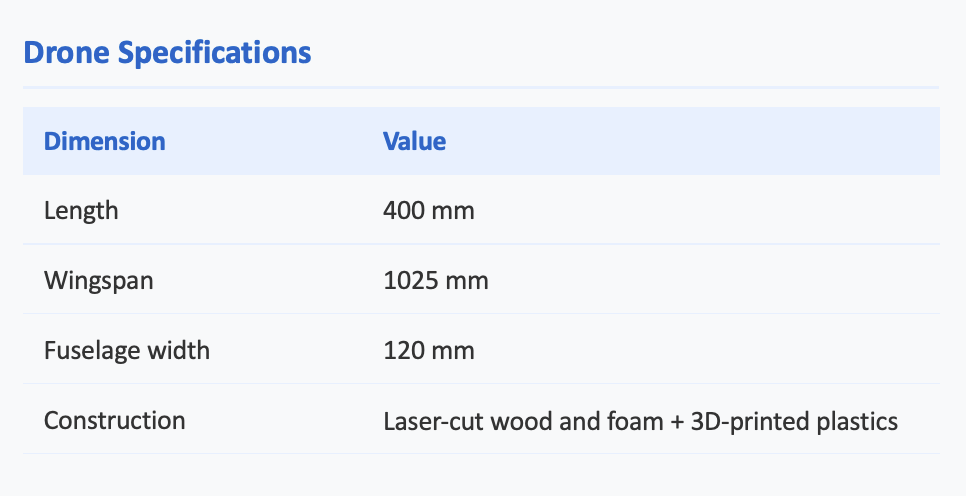
Drone specifications table/image
Drone Specifications (dimensions, structure, and target performance metrics).

Go-to-Market

Customer Segments

  • Payer / decision maker: County & municipal CDC / Health Commissions
  • Operators: township health centers and clinic medical staff
  • End beneficiaries: snakebite victims in remote villages (within ~60 km coverage)

Priority: speed (golden window), reliability in complex terrain, and cost-effectiveness per mission.

Market & rollout

Focus regions include high-risk provinces in southern China (e.g., Yunnan, Guangxi, Guizhou, Hainan), serving a large rural population and a substantial annual emergency antivenom demand. The estimated annual emergency transportation service market in China exceeds ¥3B.


  • Phase 1: pilot partnerships with county health commissions and capable township health centers
  • Scale: standardize training + protocols, then expand coverage toward 5,000 high-risk villages

Business Model

Revenue Streams

  • Drone sales: around ¥6,000 per unit (deployment package dependent)
  • Per-mission service / rental: around ¥200 per flight mission (region & SLA dependent)
  • Maintenance & support: training, spares, and operational support contracts

Cost Structure

  • Airframe + components: ¥1,500–¥2,000 per unit
  • Allocated R&D: ~¥300 per unit
  • Operating cost: ~¥50 per mission

Funding Plan

  • Seeking: ¥500,000 seed funding to finalize product, compliance, and first pilot deployments
  • Use of funds: 50% product & compliance · 30% pilot deployment · 20% team operations

The model combines upfront deployment (hardware) with ongoing operational revenue (missions), supporting sustainable operations.

Impact

By enabling reliable antivenom delivery within the golden 3-hour window, VitalWing can reduce preventable deaths, lower disability risk, and strengthen rural healthcare resilience through scalable aerial logistics.

  • Improves time-to-treatment in regions with poor road infrastructure and complex terrain
  • Targets a significant increase in “golden-time delivery rate” via standardized hubs and repeatable autonomous missions
  • Reduces rescue costs and long-term medical burden caused by permanent disability

> 50% reduction in delivery time (vs. traditional transport)
Scalable toward 5,000 high-risk villages

Team

Formed in early 2024, our team came together after learning about a tragic case where a child in Nigeria died in a clinic while waiting for antivenom delivery—highlighting a critical last-mile medical logistics gap. This shared motivation pushed us to apply our engineering and product skills to a tangible, life-saving solution.

Core roles cover airframe/aerodynamics, mechanical/robotics execution, and product/market deployment.

Zihan — Airframe & Aerodynamics

Experienced in CAD airfoil modeling and airframe design. Leads aerodynamic optimization, structural layout, and prototype iteration to achieve high-efficiency cruise and stable VTOL behavior.


Focus: airfoil/CAD modeling · airframe design · performance iteration

Jason — Mechanical Engineering & Robotics

Extensive experience in mechanical engineering, especially robotics. Drives mechanical integration, assembly reliability, and field-maintainable design to support repeatable outdoor testing and deployment.


Focus: robotics engineering · mechanical integration · reliability & maintainability

Bella — Marketing & Product Launch

Experienced in marketing and product launch. Leads storytelling, outreach, and partnership-building with public health stakeholders, turning prototype validation into real-world pilot deployments.


Focus: positioning & narrative · outreach · pilots & go-to-market